Nº 0081 / 1.200· Viburnaceae
Roter Holunder
Sambucus racemosa · auch: Holunder, Roter-
19 Fotos
BLÜTE
grün/weiß · Erstfrühling, Vollfrühling
Verwendete Pflanzenteile
Das Fruchtfleisch ist essbar, die leicht giftigen Kerne müssen jedoch entfernt werden (passieren).
Erntekalender
Fruchtfleisch Spätsommer gekocht essbar
Das Fruchtfleisch ist essbar, die leicht giftigen Kerne müssen jedoch entfernt werden (passieren).
Andere Namen
Hirsch-HolunderBerg-Holunder Trauben-Holunder
Merkmale
Rezepte mit dieser Pflanze
Vogelwelt
Diese Vögel lieben Roter Holunder:
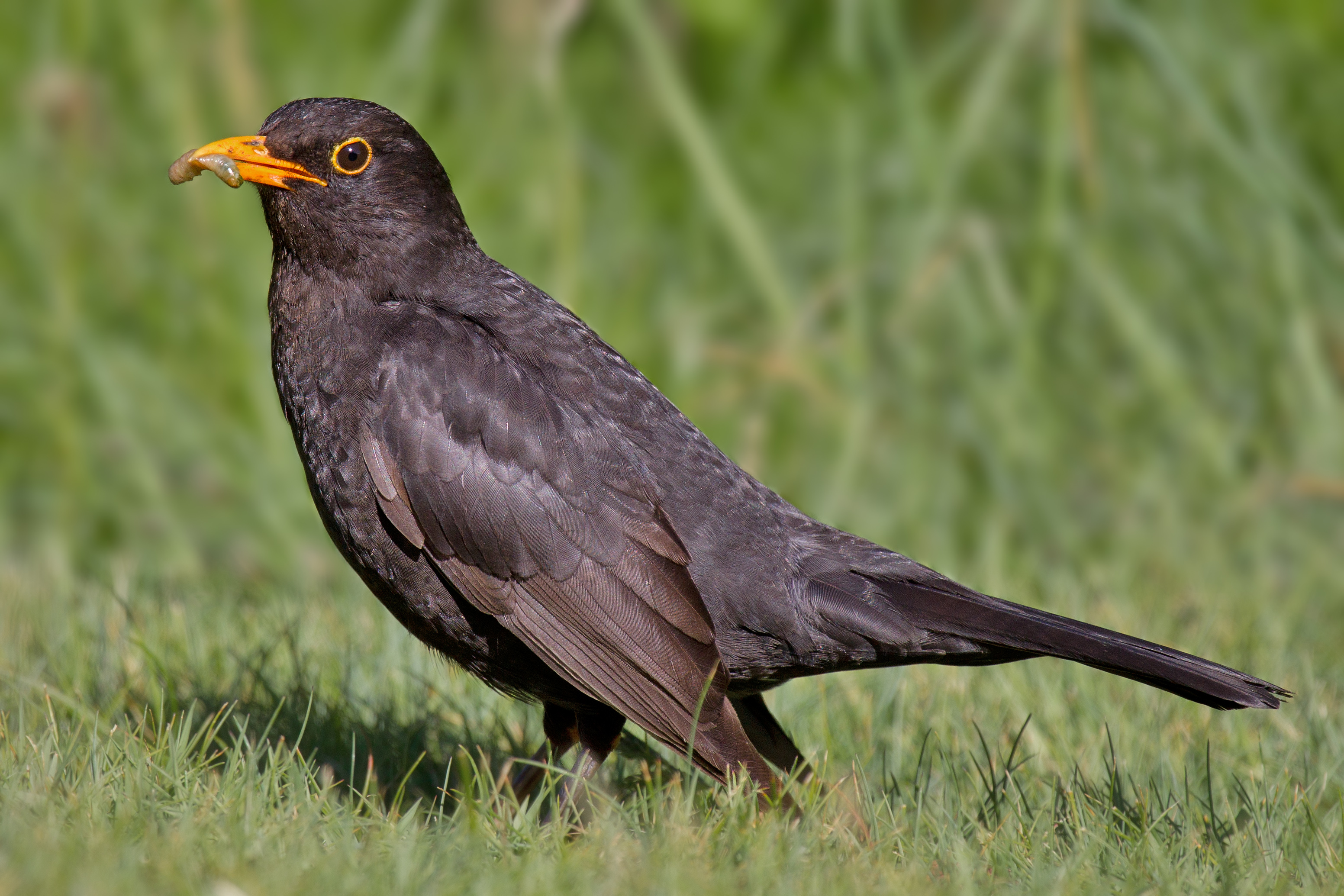


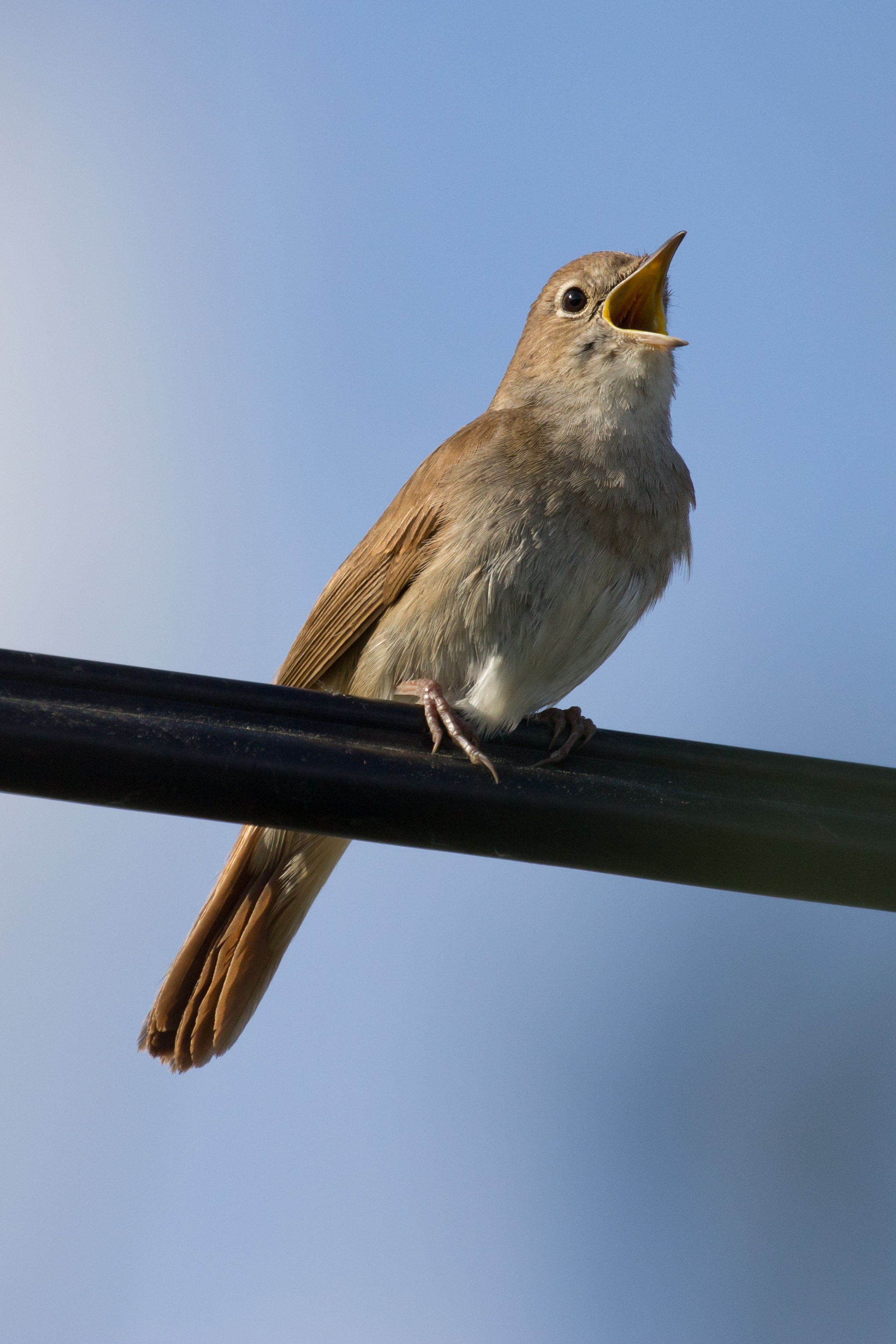


Steckbrief
Familie
Viburnaceae
Gattung
Sambucus
Ordnung
Dipsacales
Klasse
Magnoliopsida
Habitat
Moist to wet soils along streams, in woods and open areas from valleys to around 3,000 metres.
Essbarkeit
★★★☆☆
Heilwirkung
★☆☆☆☆
Licht
5/10
Feuchtigkeit
5/10
Boden
5/10
pH-Wert pH 5 – 5.5
Anbau & Pflege
Tolerates most soils, including chalk, but prefers a moist loamy soil. Grows well in heavy clay soils. Tolerates some shade but is best in a sunny position. Tolerates atmospheric pollution and coastal situations. Closely related to S. racemosa and considered part of that species by some botanists. Plants in this genus are notably resistant to honey fungus.
Vermehrung: Seed - best sown as soon as it is ripe in the autumn in a cold frame, when it should germinate in early spring. Stored seed can be sown in the spring in a cold frame but will probably germinate better if it is given 2 months warm followed by 2 months cold stratification first. Prick out the seedlings into individual pots when they are large enough to handle. If good growth is made, the young plants can be placed in their permanent positions during the early summer. Otherwise, either put them in a sheltered nursery bed, or keep them in their pots in a sheltered position and plant them out in spring of the following year. Cuttings of half-ripe wood, 7 - 10cm with a heel, July/August in a frame. Cuttings of mature wood of the current season's growth, 15 - 20cm with a heel, late autumn in a frame or a sheltered outdoor bed.
Essbare Verwendung
Edible Parts: Flowers Fruit Edible Uses: Fruit - raw or cooked. A bitter flavour. The fruit is quite nutritious, having a relatively high fat and protein as well as carbohydrate content. The fruit can be dried prior to use, it will then lose some of its rank taste. The fruit is about 5mm in diameter and is borne in large clusters making it easy to harvest. Some caution is advised, see the notes above on toxicity. Flowers - raw or cooked. The root is made into a tea-like beverage.
Weitere Nutzung
Repellent Straw Wood The stem is easily hollowed and can be used to make a whistle.
Verbreitung
Heimisch: Alaska, Albania, Alberta, Aleutian Is., Arizona, Austria, Baltic States, Belarus, Belgium, British Columbia, Brussels-Capital Region, Bulgaria, California, Central European Russia, Colorado, Connecticut, Czechia-Slovakia, East European Russia, Flanders, Flemish Region, France, Georgia, Germany, Global, Greece, Hungary, Idaho, Illinois, Indiana, Iowa, Italy, Kentucky, Labrador, Maine, Manitoba, Maryland, Massachusetts, Michigan, Minnesota, Missouri, Montana, NW. Balkan Pen., Netherlands, Nevada, New Brunswick, New Hampshire, New Jersey, New Mexico, New York, Newfoundland, North America, North Carolina, North Caucasus, North Dakota, Nova Scotia, Ohio, Ontario, Oregon, Pennsylvania, Poland, Prince Edward I., Québec, Rhode I., Romania, Saskatchewan, South Dakota, South European Russia, Spain, Switzerland, Tennessee, Ukraine, Utah, Vermont, Virginia, Walloon Region, Washington, West Virginia, Wisconsin, Wyoming, Yukon
Eingeführt: BY, Belgium, Bolivia, Denmark, Finland, Great Britain, Ireland, Kazakhstan, New Zealand South, Norway, Sweden
Alternative deutsche Namen
Roter HolunderTrauben-Holunder
Haftungsausschluss: Die hier dargestellten Inhalte dienen ausschließlich der allgemeinen Information. Sie ersetzen keine professionelle Beratung durch Ärzte, Apotheker oder Kräuterkundige. Das Sammeln und Verwenden von Wildpflanzen geschieht auf eigene Gefahr. Verwechslungsgefahr mit giftigen Pflanzen besteht. Mehr erfahren