Nº 0175 / 1.200· Fagaceae
Stieleiche
Quercus robur
Wildpflanze essbar
18 Fotos
WUCHSFORM
Baum
BLÜTE
gelb/grün · Vollfrühling
Traditionelle Heilkunde
Zum Heilkunde-Bereich →Wichtig: Die folgenden Angaben stammen aus der Volksmedizin und Erfahrungsheilkunde. Sie beschreiben traditionelles Wissen, stellen keine medizinische Empfehlung dar und ersetzen keine ärztliche Beratung (Details). Teile der Beschreibungen werden KI-gestützt aufbereitet und redaktionell geprüft.
Heilrezepte
Andere Namen
Deutsche EicheEicheSommereiche
Merkmale
Rezepte mit dieser Pflanze
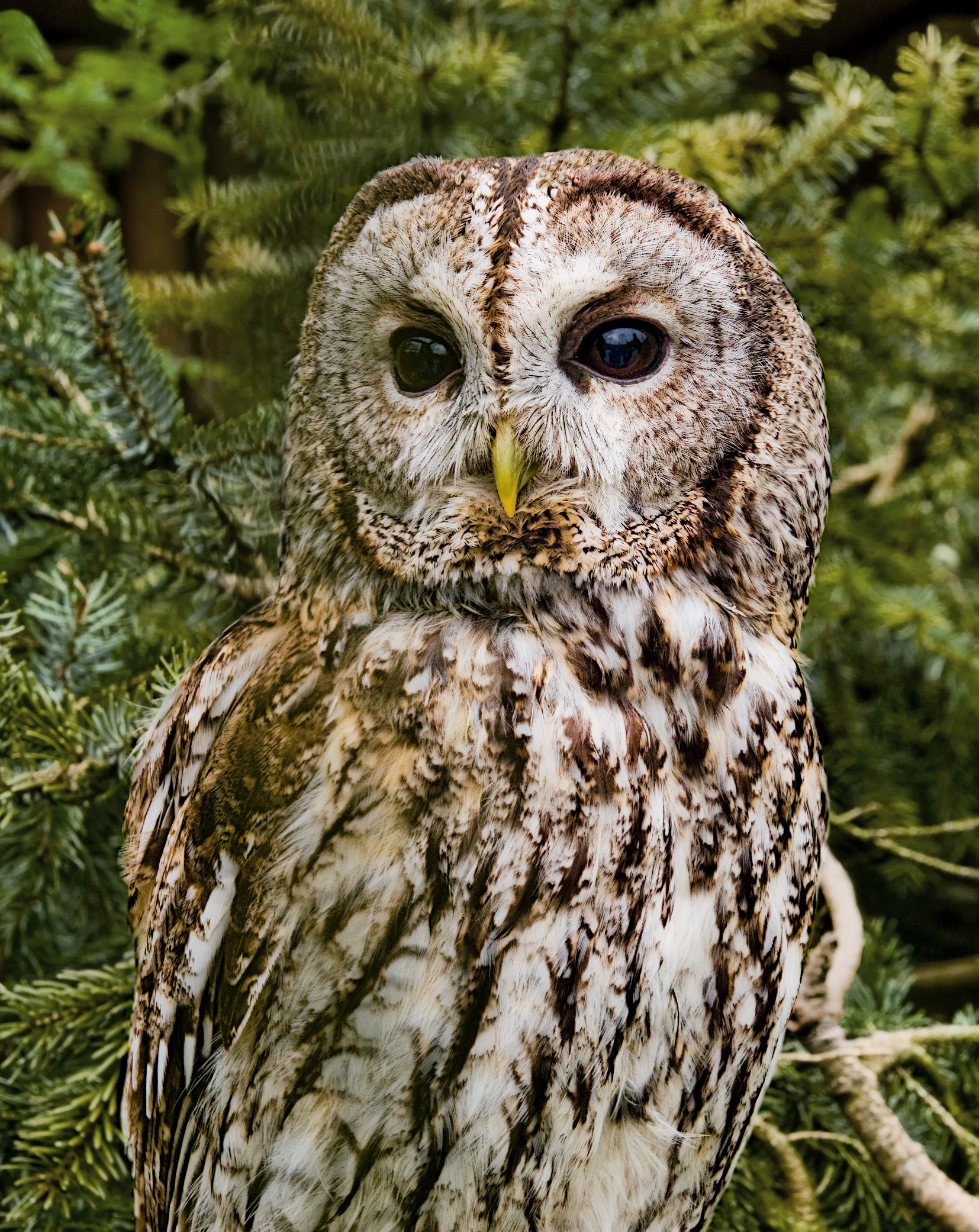
Vogelwelt
Diese Vögel lieben Stieleiche:


Steckbrief
Familie
Fagaceae
Gattung
Quercus
Ordnung
Fagales
Klasse
Magnoliopsida
Habitat
Often the dominant woodland tree, especially on clay soils and in the eastern half of Britain, but avoiding acid peat and shallow limestone soils.
Essbarkeit
★★★★☆
Heilwirkung
★★★☆☆
Licht
7/10
Feuchtigkeit
5/10
Boden
5/10
pH-Wert pH 5.5 – 6.5
Anbau & Pflege
Prefers a good deep fertile loam which can be on the stiff side. Young plants tolerate reasonable levels of side shade. Succeeds in heavy clay soils and in wet soils so long as the ground is not water-logged for long periods. Dislikes dry or shallow soils but is otherwise drought tolerant once it is established. Tolerant of exposed sites though it dislikes salt-laden winds. The oak is a very important timber tree in Britain, it is also a very important food plant for the caterpillars of many species of butterfly, there are 284 insect species associated with this tree. It has often been coppiced or pollarded for its wood in the past, though this should not be done too frequently, about once every 50 years is the average. The tree flowers on new growth produced in spring, the seed ripening in its first year. Older trees have a thick corky bark and this can protect them from forest fires, young trees will often regenerate from the base if cut down or killed back by a fire. Intolerant of root disturbance, trees should be planted in their permanent positions whilst young. Hybridizes freely with other members of the genus. Immune to attacks by the tortix moth. This species is notably resistant to honey fungus.
Vermehrung: Seed - it quickly loses viability if it is allowed to dry out. It can be stored moist and cool overwinter but is best sown as soon as it is ripe in an outdoor seed bed, though it must be protected from mice, squirrels etc. Small quantities of seed can be sown in deep pots in a cold frame. Plants produce a deep taproot and need to be planted out into their permanent positions as soon as possible, in fact seed sown in situ will produce the best trees. Trees should not be left in a nursery bed for more than 2 growing seasons without being moved or they will transplant very badly.
Essbare Verwendung
Edible Parts: Seed Edible Uses: Coffee Gum Seed - cooked. Nourishing but indigestible. Chopped and roasted, the seed is used as an almond substitute. It can be dried, ground into a powder and used as a thickening in stews etc or mixed with cereals for making bread. The seed contains bitter tannins, these can be leached out by thoroughly washing the seed in running water though many minerals will also be lost. Either the whole seed can be used or the seed can be dried and ground it into a powder. It can take several days or even weeks to properly leach whole seeds, one method was to wrap them in a cloth bag and place them in a stream. Leaching the powder is quicker. A simple taste test can tell when the tannin has been leached. The traditional method of preparing the seed was to bury it in boggy ground overwinter. The germinating seed was dug up in the spring when it would have lost most of its astringency. The roasted seed is a coffee substitute. An edible gum is obtained from the bark. Another report says that an edible manna is obtained from the plant and that it is used instead of butter in cooking. This report probably refers to the gum[K].
Weitere Nutzung
Basketry Charcoal Compost Fuel Gum Ink Repellent Tannin Wood A mulch of the leaves repels slugs, grubs etc, though fresh leaves should not be used as these can inhibit plant growth. The bark is an ingredient of 'Quick Return' herbal compost activator. This is a dried and powdered mixture of several herbs that can be added to a compost heap in order to speed up bacterial activity and thus shorten the time needed to make the compost[K]. The bark is very rich in calcium. Oak galls are excrescences that are sometimes produced in great numbers on the tree and are caused by the activity of the larvae of different insects. The insects live inside these galls, obtaining their nutrient therein. When the insect pupates and leaves, the gall can be used as a rich source of tannin, that can also be used as a dyestuff. A black dye and an excellent long-lasting ink is made from the oak galls, mixed with salts of iron. The colour is not very durable. When mixed with alum, the dye is brown and with salts of tin it is yellow. Trees can be coppiced to provide material for basket making, fuel, construction etc. The wood is a source of tar, quaiacol, acetic acid, creosote and tannin. Tannin is extracted commercially from the bark and is also found in the leaves. On a 10% moisture basis, the bark contains11.6% tannin and the wood 9.2%. The bark strips easily from the wood in April and May. A purplish dye is obtained from an infusion of the bark with a small quantity of copperas. It is not bright, but is said to be durable. Wood - hard, tough, durable even under water - highly valued for furniture, construction etc. It is also a good fuel and charcoal.
Verbreitung
Heimisch: Agder, Albania, Altay, Andebu, Austria, Balestrand, Baltic States, Belarus, Belgium, Brunlanes, Bulgaria, Bærum, Central European Russia, Corse, Czechia-Slovakia, Denmark, Drangedal, East European Russia, Finland, Forsand, France, Froland, Germany, Great Britain, Greece, Greipstad, Herad, Hidra, Hungary, Hægebostad, Iran, Ireland, Italy, Justøya, Kriti, Krym, Kråkerøy, Kvam Ho, Lunde, NW. Balkan Pen., Netherlands, North Caucasus, North European Russia, Northwest European Russia, Norway, Nøtterøy, Poland, Portugal, Randesund, Skåtøy, Strandebarm, Tjølling, Tveit, Ulvik, Vegårshei, Vest Moland, Vik SF, Våle
Eingeführt: British Columbia, Canary Is., Cape Provinces, Colorado, Free State, Kentucky, KwaZulu-Natal, Lesotho, Madeira, New Brunswick, New York, New Zealand North, New Zealand South, Nova Scotia
Alternative deutsche Namen
Stiel-EicheStieleiche
Haftungsausschluss: Die hier dargestellten Inhalte dienen ausschließlich der allgemeinen Information. Sie ersetzen keine professionelle Beratung durch Ärzte, Apotheker oder Kräuterkundige. Das Sammeln und Verwenden von Wildpflanzen geschieht auf eigene Gefahr. Verwechslungsgefahr mit giftigen Pflanzen besteht. Mehr erfahren