Im Garten: Gute Nachbarn & Pflege für Hainbuche
Nº 0161 / 1.200· Betulaceae · Kraut
Hainbuche
Carpinus betulus · auch: Buche, Hain-
10 Fotos
GUTE NACHBARN
Kupferfelsenbirne· Mischkultur ↗
Beschreibung
Nachbarn im Garten
Gute Nachbarn:
Lade Nachbarschaftsgraph...
Andere Namen
WeißbucheHagebuche
Rezepte mit dieser Pflanze
Vogelwelt
Diese Vögel lieben Hainbuche:
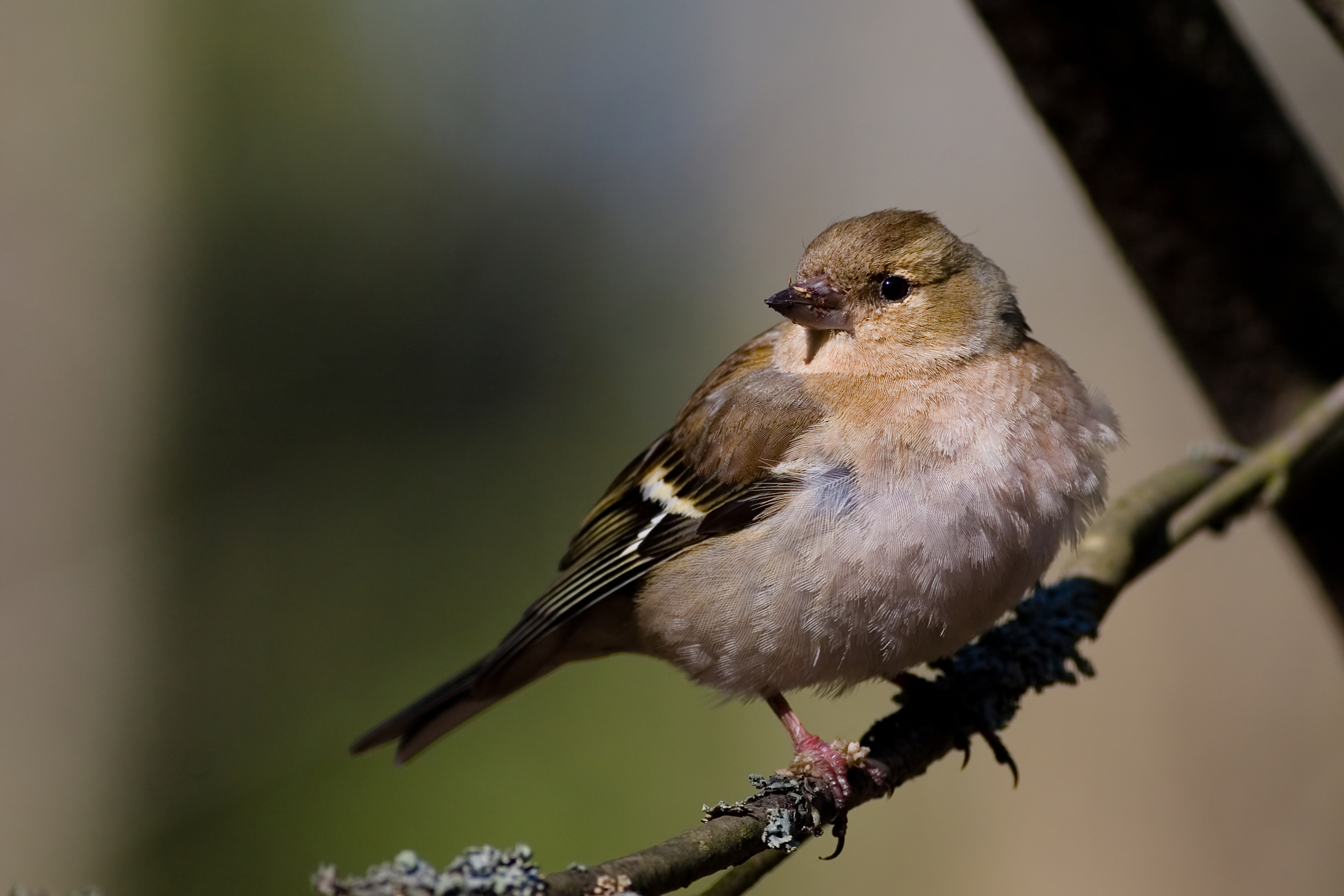
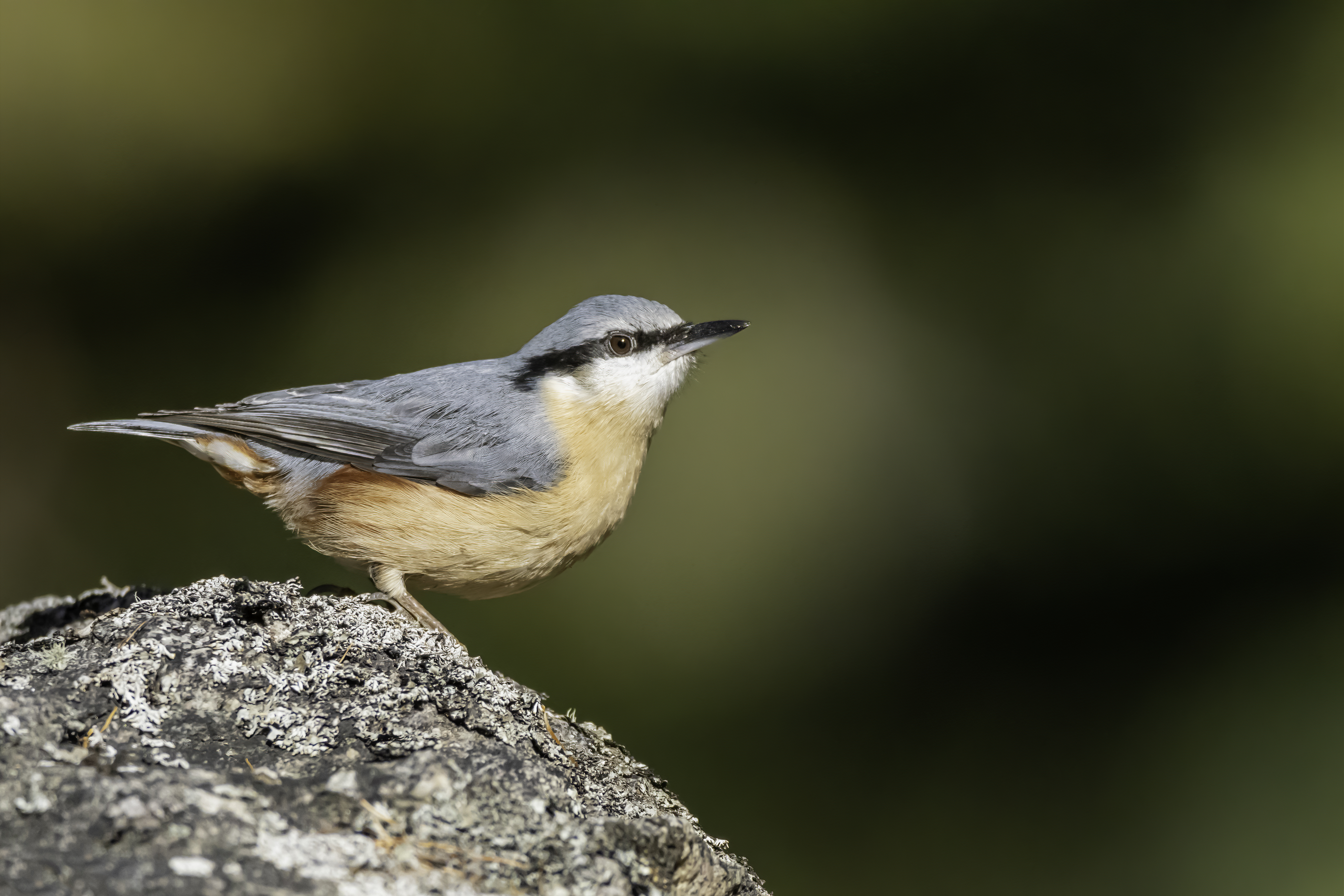
Steckbrief
Familie
Betulaceae
Gattung
Carpinus
Ordnung
Fagales
Klasse
Magnoliopsida
Lebensform
Kraut
Habitat
Woodlands and hedgerows on sandy or clay loams, preferring heavier soils.
Heilwirkung
★★☆☆☆
Licht
7/10
Feuchtigkeit
5/10
Boden
5/10
pH-Wert pH 5.5 – 6.5
Anbau & Pflege
Landscape Uses:Espalier, Pest tolerant, Hedge, Superior hedge, Specimen, Street tree. Thrives in any good loam, including chalk, it does not demand much light. Prefers a deep open loam and does well on damp clays. Succeeds in all but the most acid soils. Dormant trees are very cold tolerant, the young growth is not usually damaged by late spring frosts. The trees cast a deep shade. A very ornamental plant. Trees are shallow-rooted. The hornbeam has 28 species of associated insects. Trees take 10 - 20 years from seed before they produce seed and about 100 years to reach maturity. At one time this tree was commonly pollarded or coppiced for its wood and for fuel. Special Features: Not North American native, Inconspicuous flowers or blooms.
Vermehrung: Seed - best sown in an outdoors seedbed as soon as it is ripe. Germination is usually good, though it may take 18 months. If collected whilst still 'green' (after the seed is ripe but before it has dried fully on the plant) and sown immediately it should germinate in the following spring. Grow the plants on for two years in the seedbed and then plant them out into their permanent positions in the winter. The average seed viability is around 65%. Pre-treat stored seed with 4 weeks warm and 12 weeks cold stratification and sow in a cold frame. When they are large enough to handle, prick the seedlings out into individual pots and grow them on in a cold frame until they are at least 15cm tall before planting them into their permanent positions.
Essbare Verwendung
None known
Weitere Nutzung
Dye Fuel Hedge Hedge Wood Plants can be grown as a medium to tall hedge, they retain their dead leaves throughout the winter if clipped at least once a year in late summer. They should not be clipped in spring since they will bleed profusely. A yellow dye is obtained from the bark. Wood - heavy, close grained, hard, very tough, very durable, not very durable according to another report. Used for flooring, cogs, tools, piano mechanisms etc. A good fuel.
Verbreitung
Heimisch: Albania, Austria, Baltic States, Belarus, Belgium, Brussels-Capital Region, Bulgaria, Central European Russia, Czechia-Slovakia, DK, Denmark, England (England, Wales, Isle of Man, Scotland, Isles of Scilly); Ireland (Ireland, Northern Ireland); Denmark; Sweden; Netherlands; Belgium; Luxembourg; Germany (Brandenburg, Berlin, Baden-Württemberg, Bayern, Hessen, Hamburg, Mecklenburg-Vorpommern, Niedersachsen, Nordrhein-Westfalen, Rheinland-Pfalz, Schleswig-Holstein, Saarland, Sachsen, Sachsen-Anhalt, Thüringen); Switzerland; Liechtenstein; Austria; Poland; Czech Republic; Slovakia; Hungary; Spain [I]; France; Channel Isl. (Alderney, Guernsey, Jersey, Sark); Italy; San Marino; Slovenia; Croatia; Bosnia & Hercegovina; Montenegro; Serbia; Kosovo; North Macedonia; Albania; Romania; Bulgaria; European Turkey; Greece (N- & NC-Greece); S-European Russia; Estonia [I]; Latvia [I]; S-Lithuania; Belarus; C-European Russia; Moldova; Ukraine; Northern Caucasus; Georgia [Caucasus]; Armenia; Azerbaijan; Turkey (Inner Anatolia, N-Anatolia, NW-Anatolia: Bithynia, WN-Anatolia); Iran (NE-Iran: Mts., N-Iran, Iranian Aserbaijan); USA [I] (Kentucky [I], New York [I]), FI, Flanders, Flemish Region, France, Germany, Global, Grand Duchy of Luxembourg, Great Britain, Greece, Hungary, Iran, Italy, NO, NW. Balkan Pen., Netherlands, North America, North Caucasus, Poland, Romania, SE, South European Russia, Spain, Sweden, Switzerland, Transcaucasus, Türkiye, Türkiye-in-Europe, Ukraine, Walloon Region, conterminous 48 United States
Eingeführt: EE, Finland, IE, Latvia, NO, New York, Norway, PT, Portugal, SE, Spain
Alternative deutsche Namen
HagebucheHainbucheWeissbuche
Haftungsausschluss: Die hier dargestellten Inhalte dienen ausschließlich der allgemeinen Information. Sie ersetzen keine professionelle Beratung durch Ärzte, Apotheker oder Kräuterkundige. Das Sammeln und Verwenden von Wildpflanzen geschieht auf eigene Gefahr. Verwechslungsgefahr mit giftigen Pflanzen besteht. Mehr erfahren