Nº 0162 / 1.200· Fagaceae · Kraut
Rotbuche
Fagus sylvatica · auch: Buche, Rot-
55 Fotos
BLÜTE
grün · Erstfrühling, Vollfrühling
Beschreibung
Verwendete Pflanzenteile
angenehmes säuerliches Aroma, ideal für Frühlingssalate.
Erntekalender
Blätter Vorfrühling gekocht essbar
Angenehmes säuerliches Aroma, ideal für Frühlingssalate.
Samen Frühherbst gekocht essbar
In größeren Mengen roh genossen können sie Samen unverträglich wirken, geröstet sehr gut bekömmlich mit mandelartigem Aroma. Für Müsli, über Salate, etc.
Nachbarn im Garten
Schlechte Nachbarn:
Lade Nachbarschaftsgraph...
Merkmale
Rezepte mit dieser Pflanze
Vogelwelt
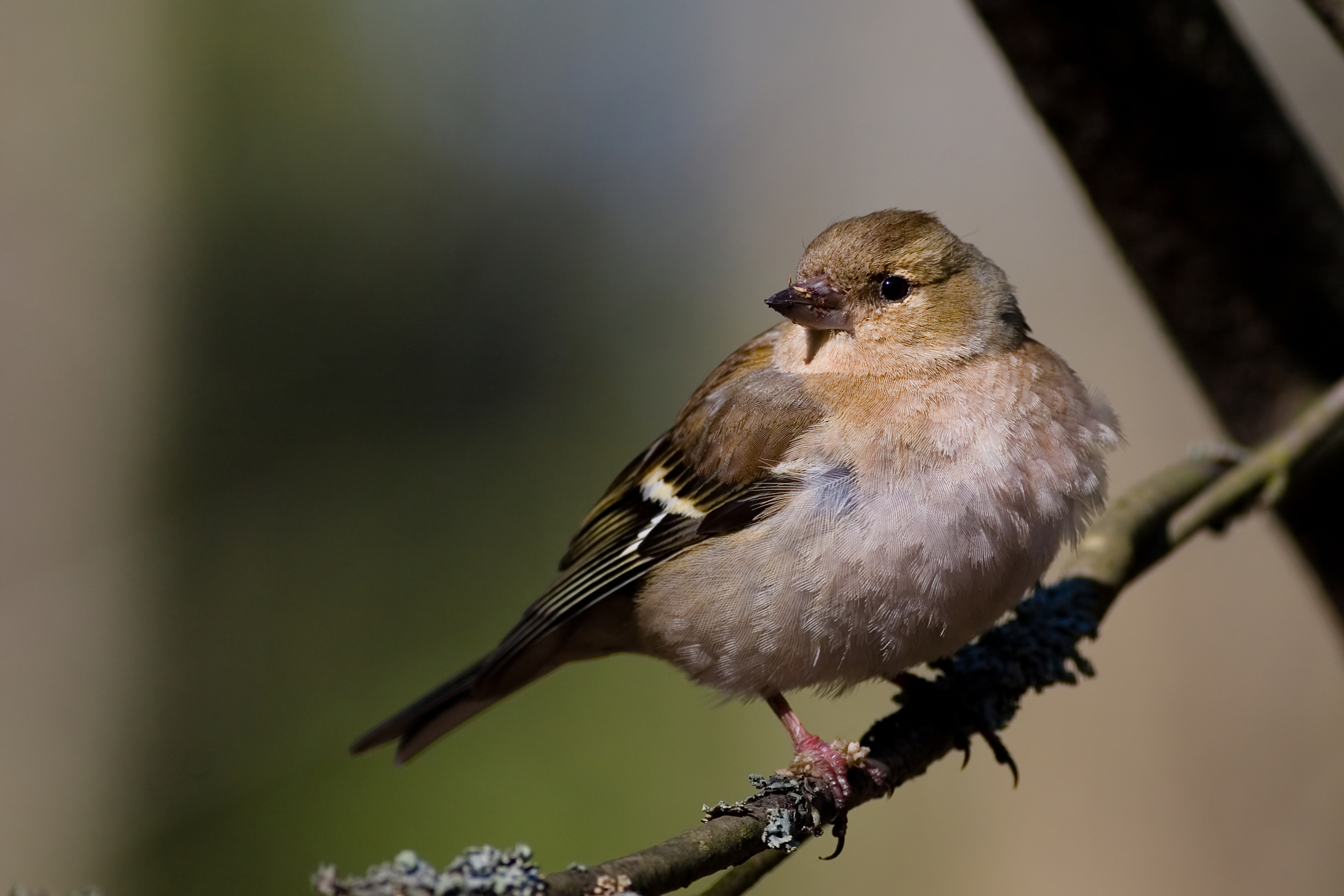
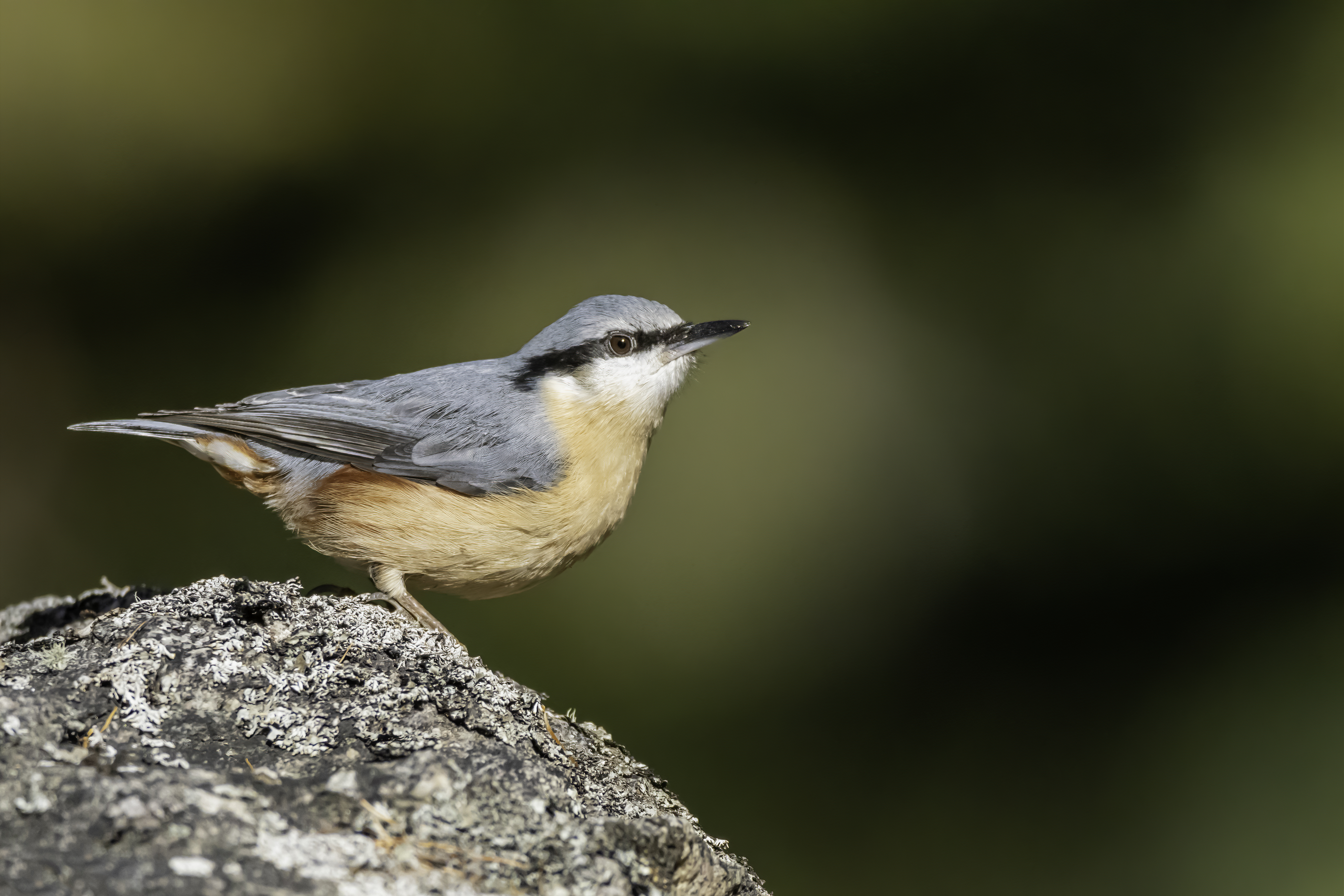
Diese Vögel lieben Rotbuche:
Steckbrief
Familie
Fagaceae
Gattung
Fagus
Ordnung
Fagales
Klasse
Magnoliopsida
Lebensform
Kraut
Habitat
Grows in woodlands where it is often the dominant species, especially on chalky and soft limestone soils, though sometimes also on well-drained loams and sands.
Essbarkeit
★★★★☆
Heilwirkung
★★☆☆☆
Licht
7/10
Feuchtigkeit
7/10
Boden
5/10
pH-Wert pH 5 – 5.5
Anbau & Pflege
Landscape Uses:Firewood, Pest tolerant, Hedge, Aggressive surface roots possible, Screen, Specimen. Thrives on a light or medium soil, doing well on chalk, but ill-adapted for a heavy wet soil. Prefers a calcareous soil but succeeds in acid soils though it does not make such a fine tree in such a situation. Succeeds in almost any soil and any pH, it is also very tolerant of a wide range of climatic conditions so long as there is sufficient rainfall. Established trees are drought tolerant. Very wind tolerant but dislikes salt. Trees are shallow rooted and this might make them less wind resistant. Trees have two growth periods a year, each of about 3 weeks in duration. The first is in spring around the end of April, the second is in summer, around the end of July. Trees are often slow growing and also can be very slow to establish after transplanting. However, in good conditions they are capable of growing up to a metre in a year. Young trees are very shade tolerant, but are subject to frost damage to their flowers and young leaves and so are best grown in a woodland position which will protect them. An important food plant for many caterpillars, it has 64 species of associated insects. Trees have a heavy canopy and cast a dense shade, very few other species can grow in a dense beech wood and on suitable soils it becomes the dominant species. Very intolerant of coppicing, trees producing none or only very weak growth afterwards and this is soon smothered by other plants. Plants are very tolerant of light pruning however and if this is carried out in late summer the plants will retain their dead leaves over winter. There are many named forms selected for their ornamental value. Those forms with purple leaves prefer a position in full sun whilst forms with yellow leaves prefer some shade. This species is notably resistant to honey fungus. Special Features: Not North American native, All or parts of this plant are poisonous, Inconspicuous flowers or blooms. The plant is heat tolerant in zones 9 through 4. (Plant Hardiness Zones show how well plants withstand cold winter temperatures. Plant Heat Zones show when plants would start suffering from the heat. The Plant Heat Zone map is based on the number of "heat days" experienced in a given area where the temperature climbs to over 86 degrees F (30°C). At this temperature, many plants begin to suffer physiological damage. Heat Zones range from 1 (no heat days) to 12 (210 or more heat days). For example Heat Zone. 11-1 indicates that the plant is heat tolerant in zones 11 through 1.) For polyculture design as well as the above-ground architecture (form - tree, shrub etc. and size shown above) information on the habit and root pattern is also useful and given here if available. A sprouting standard sending up shoots from the base [1-2]. The root pattern is suckering with new plants from underground runners away from the plant [1-2].
Vermehrung: Seed - the seed has a short viability and is best sown as soon as it is ripe in the autumn in a cold frame. Protect the seed from mice. Germination takes place in the spring. When they are large enough to handle, prick the seedlings out into individual pots and grow them on in the greenhouse for at least their first winter. Plant them out into their permanent positions in late spring or early summer, after the last expected frosts. The seedlings are slow growing for the first few years and are very susceptible to damage by late frosts. The seed can also be sown in an outdoor seedbed in the autumn. The seedlings can be left in the open ground for three years before transplanting, but do best if put into their final positions as soon as possible and given some protection from spring frosts.
Essbare Verwendung
Edible Parts: Leaves Oil Seed Edible Uses: Coffee Oil Young leaves - raw. A very nice mild flavour, they go well in a mixed salad. However, the leaves quickly become tough so only the youngest should be used[2, 5, 12, K]. New growth is usually produced for 2 periods of 3 weeks each year, one in spring and one in mid-summer. Seed - raw or cooked. A pleasant sweet flavour, though rather small and fiddly[K]. The seed can also be dried and ground into a powder and then used with cereal flours when making bread, cakes etc. The seed is rich in oil. The seed should not be eaten in large quantities because it contains a deleterious principle. The seed contains 17 - 20% of an edible semi-drying oil. This stores well without going rancid and is said to be equal in delicacy to olive oil. It is used as a dressing for salads and also for cooking. The seed residue is poisonous. The roasted seed is used as a coffee substitute.
Weitere Nutzung
Charcoal Fuel Hedge Hedge Oil Stuffing Teeth Wood A semi-drying oil is obtained from the seed, it is used as a fuel for lighting, as a lubricant, for polishing wood etc. The seed residue is poisonous. The leaf buds harvested in the winter and dried on the twigs are used as toothpicks. The leaves are gathered in autumn and used as a stuffing material for mattresses etc. Wood - hard, heavy, strong, very durable. It is not suitable for outdoor use and is often attacked by a small beetle. It has a wide range of applications, including furniture, flooring, turnery etc. It makes a very good fuel, burning with a lot of heat, and yields a charcoal known as 'Carbo Ligni Pulveratus'. The wood has often been used as a source of creosote, tar, methyl alcohol. acetic acid. A dynamic accumulator gathering minerals or nutrients from the soil and storing them in a more bioavailable form - used as fertilizer or to improve mulch.
Verbreitung
Heimisch: Albania, Austria, BR, Baltic States, Belgium, Brunlanes, Brussels-Capital Region, Bulgaria, Corse, Czechia-Slovakia, DK, Denmark, England (England, Wales, Isle of Man, Scotland, Outer Hebrides, Orkney Isl., Shetland Isl., Isles of Scilly); Ireland (Ireland, Northern Ireland); Denmark; Norway; Sweden; Netherlands; Belgium; Luxembourg; Germany (Brandenburg, Berlin, Baden-Württemberg, Bayern, Hessen, Hamburg, Mecklenburg-Vorpommern, Niedersachsen, Nordrhein-Westfalen, Rheinland-Pfalz, Schleswig-Holstein, Saarland, Sachsen, Sachsen-Anhalt, Thüringen); Switzerland; Liechtenstein; Austria; Poland; Czech Republic; Slovakia; Hungary; Spain; France; Channel Isl. (Alderney, Guernsey, Jersey, Sark); Corsica; Italy; Sicily; San Marino; Slovenia; Croatia; Bosnia & Hercegovina; Montenegro; Serbia; Kosovo; Albania; Romania; Bulgaria; European Turkey; N-Greece (mountains south to Mt. Pelion); S-European Russia; Estonia [I]; Belarus [I]; W-European Russia; Moldova; Ukraine; Crimea; India [I] (Himachal Pradesh [I], Uttarakhand [I]); Java [I]; Canada [I] (Ontario [I]); USA [I] (Massachusetts [I], Maryland [I], Maine [I], New York [I], Ohio [I], Rhode Island [I], Utah [I]); Haiti [I], FI, Flanders, Flemish Region, France, Germany, Global, Grand Duchy of Luxembourg, Great Britain, Greece, Hungary, Italy, Krym, NO, NW. Balkan Pen., Netherlands, Newfoundland, North America, Norway, Ontario, Poland, Romania, SE, Sicilia, Spain, Stokke, Sweden, Switzerland, Türkiye-in-Europe, Ukraine, Vermont-US, Vestfold, Walloon Region, conterminous 48 United States
Eingeführt: EE, IE, IN, Ireland, LT, Latvia, Lithuania, Madeira, New York, PT, Portugal
Alternative deutsche Namen
Rot-BucheRotbuche
Haftungsausschluss: Die hier dargestellten Inhalte dienen ausschließlich der allgemeinen Information. Sie ersetzen keine professionelle Beratung durch Ärzte, Apotheker oder Kräuterkundige. Das Sammeln und Verwenden von Wildpflanzen geschieht auf eigene Gefahr. Verwechslungsgefahr mit giftigen Pflanzen besteht. Mehr erfahren