Im Garten: Gute Nachbarn & Pflege für Sonnenblume
Nº 0439 / 1.200· Asteraceae
Sonnenblume
Helianthus annuus
Wildpflanze essbar
22 Fotos
BLÜTE
gelb
STANDORT
Weltweit, Gärten, Äcker
GUTE NACHBARN
Schlafmohn, Steirischer Ölkürbis, Moschuskürbis, Andenbeere· Mischkultur ↗
Portrait
Empfehlenswerte Sorten für einen Anbau im Garten:
Hochwachsende Sorten sind:
- 'Ring of Fire', bis zu 120 cm hoch, rot-gelb geflammte Blütenblätter; gut geeignet für den Vasenschnitt
- 'Sunrich Orange', bis zu 170 cm hoch, orange Blüten;
- 'Moulin Rouge‘, bis zu 2 m hoch, zahlreiche tief dunkelrote Blüten, verzweigter Wuchs, lange Blütezeit
- 'Titan', bis zu 3,50 m hoch, leuchtend gelbe, große Blüten;
- 'King Kong', bis über 4 m hoch, mit große, gelbe Blüten.
Zwergsorten, die sich auch für Kübel und Balkonkasten eignet:
- 'Sunspot', goldgelbe, große Blüten, 40 bis 50 cm hoch, unverzweigt
- 'Pacino‘, gelb, 30 bis 40 cm hoch, verzweigt, lange Blütezeit
Infos über die Inhaltsstoffe und Nutzung der Sonnenblumenkerne können hier nachgelesen werden!
Nachbarn im Garten
Gute Nachbarn:
Schlechte Nachbarn:
Lade Nachbarschaftsgraph...
Merkmale
Rezepte mit dieser Pflanze
Apfelkuchen MarthaMarillenkuchen mit StreuselHeilsalbe der RosaSonnensalzHeilbalsam der RosaMüsli, Porridge, OatmealTomatenaufstrichRettichsalatHeilöle ansetzenHeilöle selber machen durch direkten Heißauszug Heilöle selber machen durch Heißauszug im Wasserbad RingelblumenölJohanniskrautölOrangenschnittenVogelfutter selber machenBärlauchölGratin mit WildpflanzenGrünes OmelettLöwenzahn-Kartoffel-Salat, RöhrlsalatRingelblumencreme, Hautcreme, Heilcreme Nüsse, würzige KnabbernüsseHautcremes, Heilcreme, GrundrezepteWachauer mit KümmelLauch-Quiche KartoffelgratinPesto mit Kapern und Sardellen Pastinakensuppe mit KarottenNussfülleNussschnecken aus TopfenteigKartoffelsalat mit PestoTomaten, traumhaft gefüllt!Warm-up-MassagesalbeOne-Pot-Pasta mit GrünkohlPesto mit Vogelmiere oder PetersilieIgelfutterPesto RossoDinkelbrot - ohne KnetenBurger mit Smash-DoppelpattyWeißbrot aus dem BrotbackautomatenKarotten-Fladenbrötchen mit SesamJoghurtsauce, pikant mit einem Hauch NaturBrötchen mit MolkeBurger-Pattys, vegetarischEstragon-PestoKasten-Weißbrot
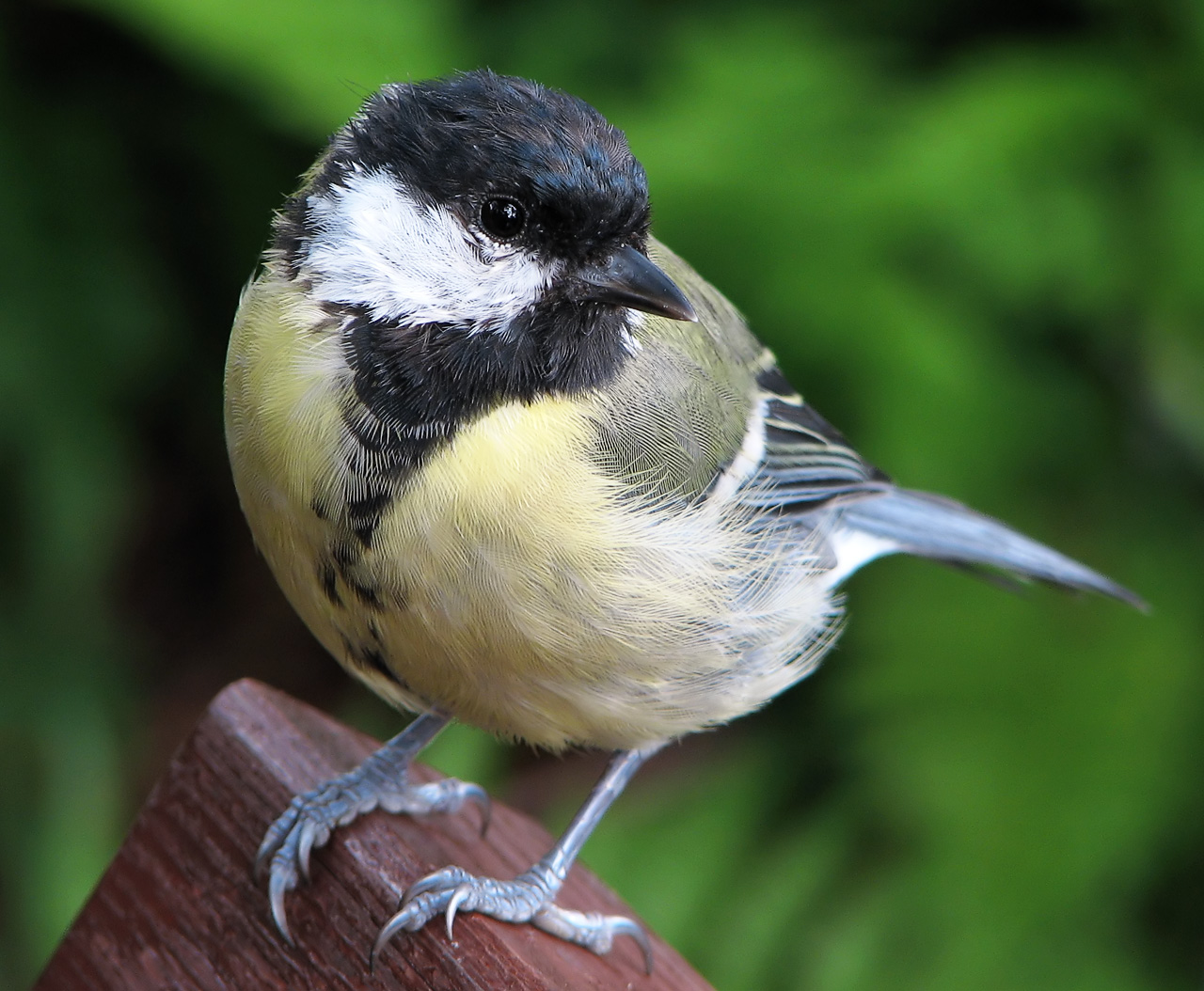
Vogelwelt
Diese Vögel lieben Sonnenblume:

Steckbrief
Familie
Asteraceae
Gattung
Helianthus
Ordnung
Asterales
Klasse
Magnoliopsida
Habitat
Open dry or moderately moist soils on the plains.
Essbarkeit
★★★★★
Heilwirkung
★★☆☆☆
Licht
8/10
Feuchtigkeit
4/10
Boden
8/10
pH-Wert pH 5.5 – 7.8
Anbau & Pflege
An easily grown plant, it succeeds in most soils, including poor soils provided they are deep and well-drained, but it grows best in a deep rich soil. Plants are intolerant of acid or waterlogged conditions. Especially when grown for its edible seed, the plant prefers a sunny position though it also tolerates light shade. Requires a neutral or preferably calcareous soil. As sunflowers have highly efficient root systems, they can be grown in areas which are too dry for many other crops. Established plants are quite drought-resistant except during flowering. The sunflower tolerates an annual precipitation of 20 - 400cm, an average annual temperature in the range of 6 - 28°C and a pH in the range of 4.5 - 8.7. The young growth is extremely attractive to slugs, plants can be totally destroyed by them[K]. Members of this genus are rarely if ever troubled by browsing deer or rabbits. The sunflower is a very ornamental plant that is widely grown in gardens and is also a major commercial crop for its edible seed and many other uses. It grows well in Britain, but it does not ripen its seed reliably in this country and so is not suitable for commercial cultivation at the present[K]. It is the state flower of Kansas. Three distinct groups of sunflowers are cultivated:- Giant types grow from 1.8 - 4.2 metres tall with flower heads 30 - 50cm in diameter. The seeds are large, white or gray in colour, sometimes with black stripes, and are the best for culinary purposes, though the oil content is lower than for other types. 'Grey Stripe', 'Hopi Black Dye', 'Mammoth Russian' and 'Sundak' are examples of this type. Semi-dwarf types grow from 1.3 - 1.8 m tall, are early maturing and have heads 17 - 23 cm diameter. The seeds are smaller, black, gray or striped, the oil content is also higher. Examples include 'Pole Star' and 'Jupiter' Dwarf types grow from 0.6 - 1.4 m tall, are early maturing and have heads 14 - 16 cm in diameter[269. The seeds are small but the oil content is the highest. Examples include 'Advance' and 'Sunset'. Some forms are being bred for greater cold tolerance and should be more reliable in Britain. Plants tend to grow better in the south and south-west of England. Most forms require a four month frost-free growing season, though some Russian cultivars can mature a crop in 70 days. When plants are grown in cooler latitudes the seed contains higher proportions of polyunsaturated fatty oils. The plant has a strong taproot that can penetrate the soil to depth of 3 metres, it also has a large lateral spread of surface roots. Sunflowers grow badly with potatoes but they do well with cucumbers and corn. A very greedy and vigorous plant, it can inhibit the growth of nearby plants. Plants tend to impoverish the soil if they are grown too often in the same place. In garden design, as well as the above-ground architecture of a plant, root structure considerations help in choosing plants that work together for their optimal soil requirements including nutrients and water. The root pattern is clumping, giving the plant a clumping habit. The predictable growth behaviour makes it easier to maintain without having to apply containment methods[2-1].
Vermehrung: Seed - sow in mid spring in situ. An earlier start can be made by sowing 2 - 3 seeds per pot in a greenhouse in early spring. Use a fairly rich compost. Thin to the strongest seedling, give them an occasional liquid feed to make sure they do not become nutrient deficient and plant them out in late spring or early summer. Seed, harvested at 12% moisture content and stored, will retain its viability for several years.
Essbare Verwendung
Edible Parts: Flowers Oil Seed Stem Edible Uses: Coffee Oil Seed - raw or cooked. A delicious nut-like flavour, but very fiddly to extract due to the small size of the seed. Commercially there are machines designed to do this. Rich in fats, the seed can be ground into a powder, made into sunflower butter or used to make seed yoghurt. When mixed with cereal flours, it makes a nutritious bread. Cultivars with up to 50% oil have been developed in Russia. The oil contains between 44 - 72% linoleic acid. The germinated seed is said to be best for seed yoghurt, it is blended with water and left to ferment. The sprouted seed can be eaten raw. A nutritional analysis of the seed is available. Young flower buds - steamed and served like globe artichokes. A mild and pleasant enough flavour, but rather fiddly[K]. Average yields range from 900 - 1,575 kg/ha of seed, however yields of over 3,375 kg/ha have been reported. A high quality edible semi-drying oil is obtained from the seed. It is low in cholesterol, and is said to be equal in quality to olive oil. Used in salads, margarines, or in cooking. The roasted seed is a coffee and drinking chocolate substitute. Another report says the roasted hulls are used. The leaf petioles are boiled and mixed in with other foodstuffs.
Weitere Nutzung
Blotting paper Dye Fibre Fuel Green manure Herbicide Kindling Microscope Oil Paper Landscape Uses: Border, Container, Foundation, Massing, Seashore, Specimen. An edible semi-drying oil is obtained from the seed. Some varieties contain up to 45% oil. The oil is also used, often mixed with a drying oil such as linseed (Linum usitatissimum) to make soap, candles, varnishes, paint etc, as well as for lighting. The oil is said to be unrivalled as a lubricant. A blotting paper is made from the seed receptacles. A high quality writing paper is made from the inner stalk. The pith of the stems is one of the lightest substances known, having a specific gravity of 0.028. It has a wide range of applications, being used for purposes such as making life-saving appliances and slides for microscopes. The dried stems make an excellent fuel, the ash is rich in potassium. Both the dried stems and the empty seed receptacles are an excellent kindling. A fibre from the stem is used to make paper and a fine quality cloth. A yellow dye is obtained from the flowers. A purple-black dye is obtained from the seed of certain varieties that were grown by the Hopi Indians of S.W. North America. Sunflowers can be grown as a spring-sown green manure, they produce a good bulk of material. Root secretions from the plant can inhibit the growth of nearby plants. A good bee plant, providing large quantities of nectar. The flowers attract beneficial insects such as lacewings and parasitic wasps. These prey on various insect pests, especially aphis. Special Features: Attracts birds, Attractive foliage, North American native, Edible, Naturalizing, Wetlands plant, Attracts butterflies, Suitable for cut flowers, Suitable for dried flowers. Dynamic accumulator.
Verbreitung
Heimisch: Alabama, Andhra Pradesh, Arizona, Arkansas, Arunachal Pradesh, Assam, Belize, Bihar, Bolivia, California, Chandigarh, China, Colorado, Connecticut, Cook Is., Delaware, Delhi, Fiji, Florida, Georgia, Honduras, Idaho, Illinois, India, Japan, Korea, Malesia, Manipur, Meghalaya, Mexico, Mizoram, Nagaland, Northern America, Southern Africa, Vietnam
Eingeführt: Alaska, Albania, Alberta, Anhui, Australia, Austria, Azores, Beijing, Belarus, Belgium, British Columbia, Buenos Aires, Bulgaria, Chaco, Entre Ríos, Fujian, Gansu, Great Britain, Guangdong, Guangxi, Guizhou, Hainan, Hawaii, Hawaiian Is., Hebei, Heilongjiang, Henan, Hong Kong, Hubei, Hunan, Hungary, Jiangsu, Jiangxi, Jilin, La Pampa, Latvia, Liaoning, Liechtenstein, Lithuania, Macau, Morocco, Nei Mongol, New Zealand, Ningxia, Qinghai, San Luis, Santiago del Estero, Shaanxi, Shandong, Shanghai, Shanxi, Sichuan, South China Sea, Southern South America, Tianjin, Tibet, Xinjiang, Yunnan, Zhejiang
Alternative deutsche Namen
Einjaehrige SonnenblumeGewöhnliche SonnenblumeSonnenblume
Haftungsausschluss: Die hier dargestellten Inhalte dienen ausschließlich der allgemeinen Information. Sie ersetzen keine professionelle Beratung durch Ärzte, Apotheker oder Kräuterkundige. Das Sammeln und Verwenden von Wildpflanzen geschieht auf eigene Gefahr. Verwechslungsgefahr mit giftigen Pflanzen besteht. Mehr erfahren