Im Garten: Gute Nachbarn & Pflege für Haselnuss
Nº 0038 / 1.200· Betulaceae · Kraut
Haselnuss
Corylus avellana
29 Fotos
GUTE NACHBARN
Holzapfel, Kupferfelsenbirne· Mischkultur ↗
Die Haselnuss ist ein heimischer Strauch, der bereits im Februar blüht und im Herbst nahrhafte Nüsse trägt. Sie wächst in Wäldern und Hecken.
Verwendete Pflanzenteile
Als Tee, für Salate oder Aufstriche, auch gedünstet als Gemüse.
Nachbarn im Garten
Gute Nachbarn:
Lade Nachbarschaftsgraph...
Andere Namen
Haselstrauch
Rezepte mit dieser Pflanze
Apfelstrudel, ÖsterreichischerPesto aus Haselnüssen und WildpflanzenLebkuchen aus duftendem RührteigLebkuchen aus duftendem RührteigTiroler ZeltenKletzenbrot aus dem PinzgauLechtaler ZeltenBozner ZeltenBreiMarmorkuchen à la LiaZiehharmonikabrotCookies für TuifelenBenjes-GartenheckeHausfreundeHausfreundeNikolausbärteLinzer AugenWeihnachtssalatGratin mit WildpflanzenSchokolade selber machenHaselnuss-SpätzleZwetschkenfleck mit Mohn und StreuselStreuselZwetschken-Mohn-StrudelWildfruchthecke anlegenBreze – Brotbreze - PalmbrezeSandkuchen, Teig mit Butter oder ÖlBecherkuchen, schokoladig, nussigElisenlebkuchenNüsse, würzige KnabbernüsseKartoffelgratinÖdenburger BohnentorteOsterhasen-Kekse NussfülleNussschnecken aus TopfenteigKürbiskuchenTofu in KnusperpanierPizza nera alla casa „WILDFIND“Kräuterbuschen, KräuterbüschelApfelmuskuchenBuchweizentorteLasagneSchokoladenbrötchenBaguettes mit NüssenBratlinge mit Blattpflanzen Mürbteigkuchen mit TeiggitterFrüchtebrot, superschnellNudelzupf mit NussbröselnRingbrot mit Haselnüssen
Vogelwelt
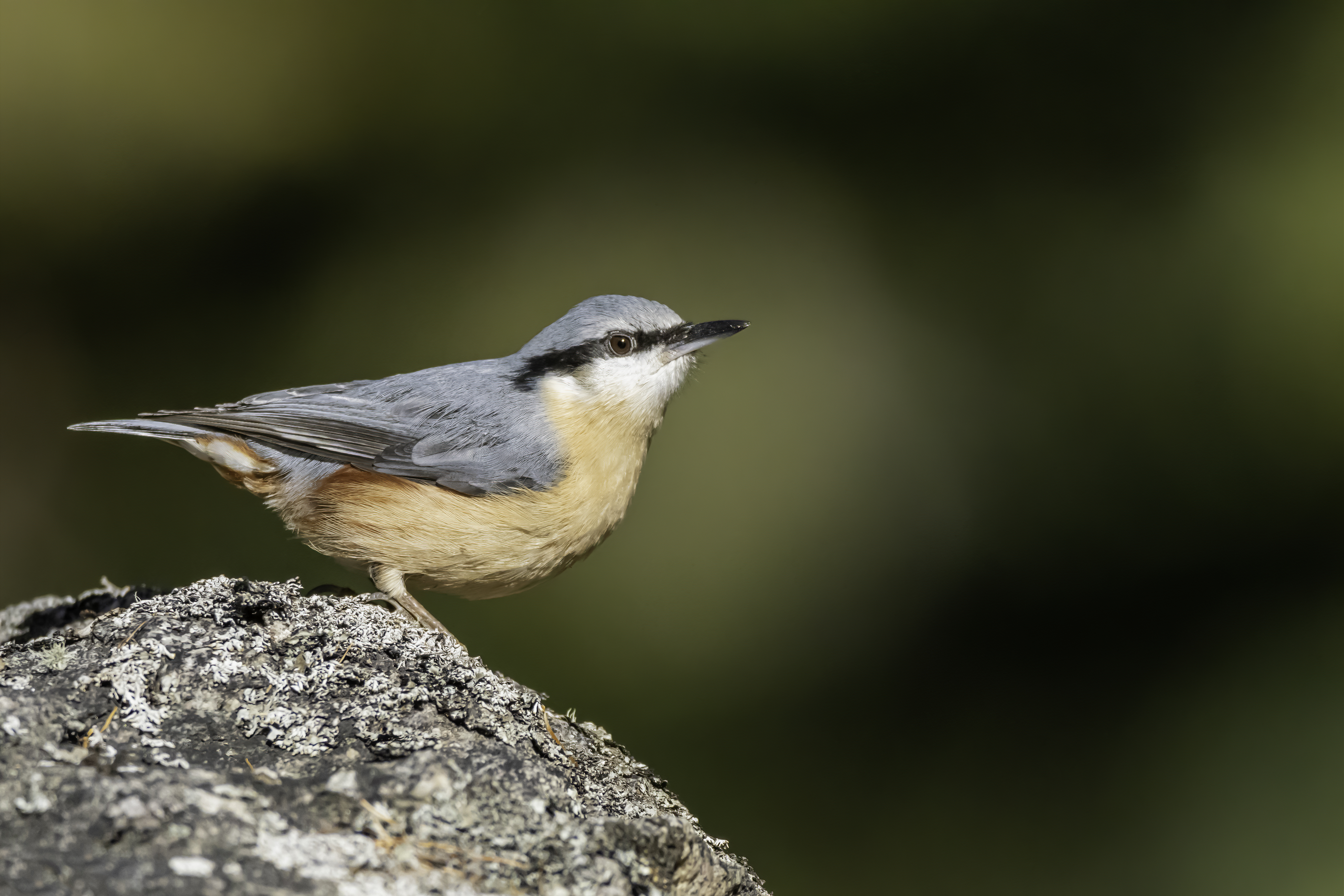
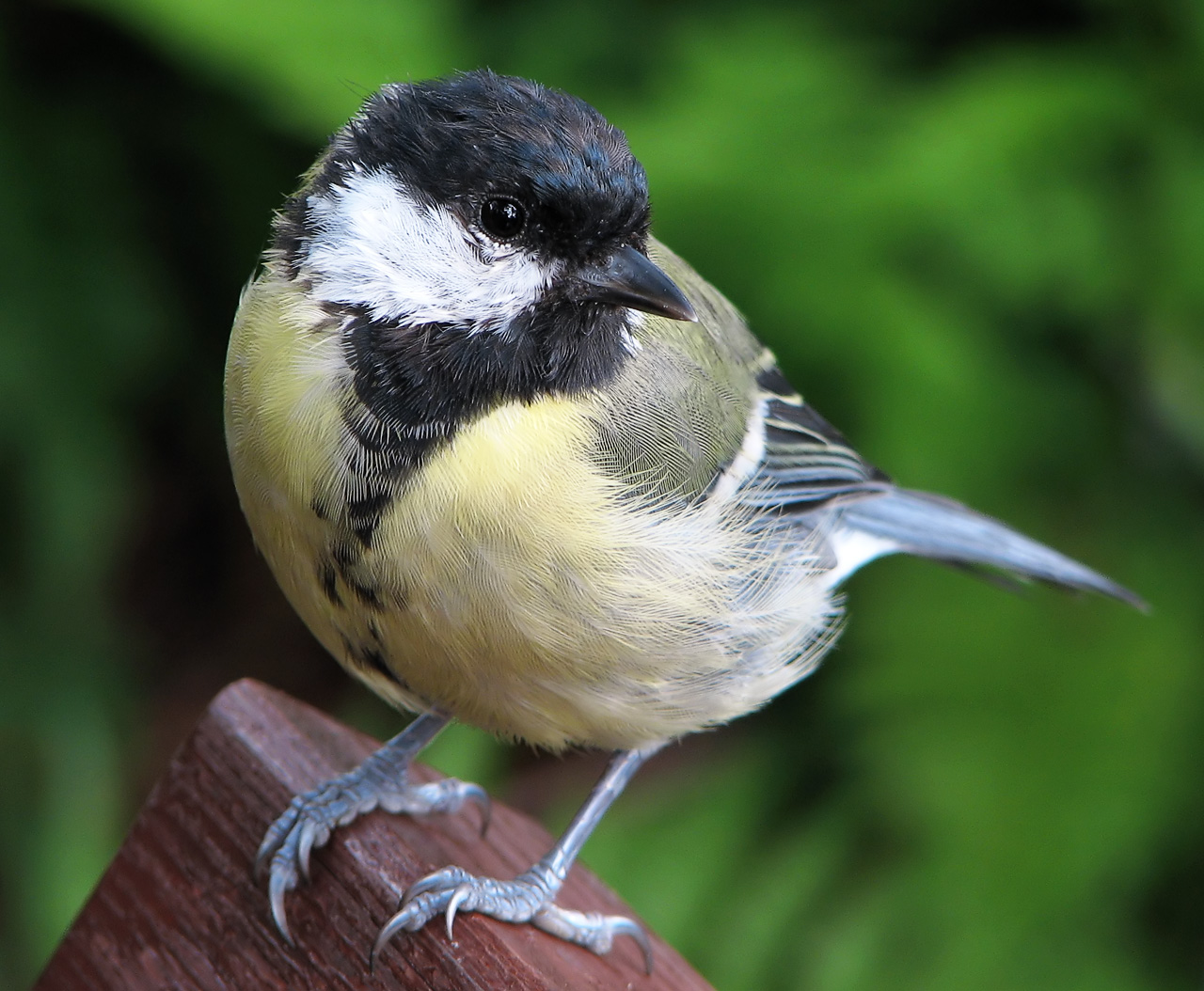
Diese Vögel lieben Haselnuss:


Steckbrief
Familie
Betulaceae
Gattung
Corylus
Ordnung
Fagales
Klasse
Magnoliopsida
Lebensform
Kraut
Habitat
Woods and hedgerows, especially on the slopes of hills, often on calcareous soils.
Essbarkeit
★★★★★
Heilwirkung
★★☆☆☆
Licht
5/10
Feuchtigkeit
5/10
Boden
6/10
pH-Wert pH 5.5 – 6.5
Anbau & Pflege
Global Crop Industrial Crop: Biomass Management: Coppice Management: Standard Staple Crop: Protein-oil Landscape Uses:Container, Standard, Specimen. An easily grown plant, it succeeds in most soils, but is in general more productive of seeds when grown on soils of moderate fertility. It does less well in rich heavy soils or poor ones. Does well in a loamy soil. Very suitable for an alkaline soil, but it dislikes very acid soils. Succeeds in a pH range 4.5 to 8.5, but prefers a range of 5 to 7. Plants are fairly wind tolerant. A very hardy plant, succeeding in all areas of Britain. The flowers, however, are produced in late winter and early spring and can be damaged by heavy frosts at this time. A parent, together with C. maxima, of many cultivated forms of filberts and cob nuts. There are many named varieties. Plants are self-fertile but a more certain crop is obtained if more than one cultivar is grown. The main difference between cob nuts and filberts is that the husk of a filbert is longer than the seed and often completely encloses it, whilst the husk on a cob nut is shorter than the seed. Squirrels are a major pest of this plant, often decimating the crop of nuts. Often grown as a coppiced shrub in woodlands, the stems have a variety of uses. Members of this genus bear transplanting well and can be easily moved even when relatively large. A food plant for the caterpillars of many lepidoptera species. Special Features:Not North American native, Attractive flowers or blooms. The plant is heat tolerant in zones 9 through 1. (Plant Hardiness Zones show how well plants withstand cold winter temperatures. Plant Heat Zones show when plants would start suffering from the heat. The Plant Heat Zone map is based on the number of "heat days" experienced in a given area where the temperature climbs to over 86 degrees F (30°C). At this temperature, many plants begin to suffer physiological damage. Heat Zones range from 1 (no heat days) to 12 (210 or more heat days). For example Heat Zone. 11-1 indicates that the plant is heat tolerant in zones 11 through 1.) For polyculture design as well as the above-ground architecture (form - tree, shrub etc. and size shown above) information on the habit and root pattern is also useful and given here if available. A clumping plant, forming a colony from shoots away from the crown but with a limited spread [1-2]. The root pattern is suckering with new plants from underground runners away from the plant [1-2]. Most Corylus species are not self-fertile and require cross-pollination from another variety to produce nuts. Hazelnuts are typically harvested in late summer to early autumn, when the nuts have matured and fallen from the trees. Hazels flower in late winter to early spring, with male catkins producing pollen before the female flowers emerge. Corylus species are considered medium to fast-growing, reaching a height of about 3 to 6 meters (10 to 20 feet) within 5 to 10 years, depending on the specific variety and growing conditions.
Vermehrung: Seed - best sown as soon as it is harvested in autumn in a cold frame. Germinates in late winter or spring. Stored seed should be pre-soaked in warm water for 48 hours and then given 2 weeks warm followed by 3 - 4 months cold stratification. Germinates in 1 - 6 months at 20°c. When large enough to handle, prick the seedlings out into individual pots and grow them on in a cold frame or sheltered place outdoors for their first winter. Plant them out into their permanent positions in late spring or early summer[K]. Layering in autumn. Easy, it takes about 6 months. Division of suckers in early spring. Very easy, they can be planted out straight into their permanent positions.
Essbare Verwendung
Edible Parts: Oil Oil Seed Edible Uses: Milk Oil Oil Seed - raw or roasted and used in breads, cakes, biscuits, sweets etc. An excellent nut for raw eating[K]. They can also be liquidized and used as a plant milk. Rich in oil. The seed ripens in mid to late autumn and will probably need to be protected from squirrels[K]. When kept in a cool place, and not shelled, the seed should store for at least 12 months[K]. A clear yellow edible oil is obtained from the seed. It is used in salad dressings, baking etc.
Weitere Nutzung
Basketry Charcoal Cosmetic Hedge Hedge Miscellany Oil Oil Plant support Polish Tannin Wood Hazels can be used in agroforestry systems as a hedge, windbreak, or for erosion control. They can also be intercropped with other plants, benefiting soil health and biodiversity. The seed contains up to 65% of a non-drying oil, used in paints, cosmetics etc. The whole seed can be used to polish and oil wood. It is very easy to apply and produces a nice finish[K]. The finely ground seeds are used as an ingredient of face masks in cosmetics. Plants can be grown as a tall hedge. They need to be left untrimmed or only lightly trimmed if seed is required. The bark and leaves are a source of tannin. Wood - soft, easy to split, not very durable, beautifully veined. Used for inlay work, small items of furniture, hurdles, wattles, basketry, pea sticks etc. The twigs are used as dowsing rods by water diviners. The wood also yields a good quality charcoal, used by artists. 1. Nectary - Flowers rich in nectar and pollen: No – Hazels produce wind-pollinated catkins, which are not rich in nectar, but they do produce pollen that some insects may utilize. 2. Wildlife - Food (Fruit, Seeds, Leaf litter, Shelter, Nesting, Roosting): Yes – The nuts (hazelnuts) are a valuable food source for birds, small mammals, and insects. Hazels also provide dense foliage for shelter and nesting, while leaf litter supports a variety of organisms. 3. Invertebrate Shelter (Overwintering sites, Leaf litter, Groundcover): Yes – Hazels provide excellent overwintering sites in their rough bark and dense foliage. The leaf litter supports invertebrates and provides shelter at ground level. 4. Pest Confuser (Smell): No – Hazels do not have a strong scent that would confuse or repel pests.
Verbreitung
Heimisch: Albania, Austria, BR, Baltic States, Belarus, Belgium, Brussels-Capital Region, Bulgaria, CY, Central European Russia, Corse, Cyprus, Czechia-Slovakia, DK, Denmark, East Aegean Is., East European Russia, England (England, Wales, Isle of Man, Scotland, Outer Hebrides, Orkney Isl. [I], Shetland Isl. [I], Isles of Scilly); Ireland (Ireland, Northern Ireland); Denmark; Norway; Sweden; Finland; Netherlands; Belgium; Luxembourg; Germany (Brandenburg, Berlin, Baden-Württemberg, Bayern, Hessen, Hamburg, Mecklenburg-Vorpommern, Niedersachsen, Nordrhein-Westfalen, Rheinland-Pfalz, Schleswig-Holstein, Saarland, Sachsen, Sachsen-Anhalt, Thüringen); Switzerland; Liechtenstein; Austria; Poland; Czech Republic; Slovakia; Hungary; Portugal; Spain; Andorra; France; Channel Isl. (Alderney, Guernsey, Jersey, Sark); Corsica; Sardinia; Italy; Sicily; Malta; San Marino; Slovenia; Croatia; Bosnia & Hercegovina; Montenegro; Serbia; Kosovo; North Macedonia; Albania; Romania; Bulgaria; European Turkey; Greece (mostly North, Kiklades [c]); Crete [c]; Estonia; Latvia; Lithuania; Belarus; C-European Russia; E-European Russia; N-European Russia; W-European Russia; Moldova; Ukraine; Crimea; Azores [I] (Sao Miguel Isl. [I]); Kazakhstan; Tajikistan; Northern Caucasus; Georgia [Caucasus]; Armenia; Azerbaijan; East Aegaean Isl. [c]; Turkey (E-Anatolia, Inner Anatolia, N-Anatolia, NE-Anatolia, S-Anatolia, SSW-Anatolia, WN-Anatolia); Iran (N-Iran, Iranian Aserbaijan); Cyprus (C-Mountains); India [c]; Canada [I] (British Columbia [I], Newfoundland [I]); USA [I] (New York [I], Oregon [I], Washington State [I]), FI, Finland, Flanders, Flemish Region, France, Føroyar, Germany, Global, Grand Duchy of Luxembourg, Great Britain, Greece, Hungary, Ireland, Italy, Krym, NO, NW. Balkan Pen., Netherlands, North America, North Caucasus, North European Russia, Northwest European Russia, Norway, Poland, Portugal, Portugal Continental, Romania, SE, Sardegna, Sicilia, South European Russia, Spain, Sweden, Switzerland, Transcaucasus, Türkiye, Ukraine, Walloon Region, conterminous 48 United States
Eingeführt: Azores, Açores, British Columbia, CA, IQ, Illinois, Kriti, Malta, New York, Newfoundland, Ontario, Oregon, Vermont, Virginia, Washington
Alternative deutsche Namen
Europäische HaselGemeine HaselHaselnußHaselstrauchLambertnußLambertshaselgewöhnliche Hasel
Haftungsausschluss: Die hier dargestellten Inhalte dienen ausschließlich der allgemeinen Information. Sie ersetzen keine professionelle Beratung durch Ärzte, Apotheker oder Kräuterkundige. Das Sammeln und Verwenden von Wildpflanzen geschieht auf eigene Gefahr. Verwechslungsgefahr mit giftigen Pflanzen besteht. Mehr erfahren